
Devi Shringar Box by Silvermerc Designs: The Sacred Significance of Shringar in Maa Durga Worship
In Sanatan Dharma, the worship of Devi is much more than the offering of flowers, incense and prayers. It is an expression of the sacred relationship between the devotee and the Divine Mother, the eternal source of Shakti.
Among the many beautiful traditions of Devi Upasana, Devi Shringar holds a special place.
The act of adorning Maa Durga with sindoor, kumkum, jewellery, bangles, chunri, flowers and other sacred ornaments represents love, surrender, auspiciousness and reverence for the Divine Feminine.
For devotees, Shringar is not merely decoration. It is a form of Seva, a loving service offered to the Mother who is worshipped as the source of creation, protection, wisdom and transformation.
Inspired by this sacred tradition, Silvermerc Designs presents the Devi Shringar Box, a collection intended to bring traditional Mata Rani Shringar items together for devotional worship.
Whether offered during Navratri, Durga Puja, Friday worship, Ashtami, Navami or personal Devi Upasana, the Shringar Box celebrates the beautiful relationship between Bhakti and Shakti.
The Spiritual Foundation of Devi Shringar in Shakta and Tantric Traditions
The philosophical foundation of Devi Shringar can be understood through Shakta worship, where the Goddess is revered as the Supreme Consciousness and the dynamic energy of the universe.
Texts and traditions associated with the Rudrayamala Tantra, Tantraraja Tantra, Devi Mahatmya, Devi Bhagavata Purana and various Shakta Agamas explore different dimensions of Devi worship.
1. Rudrayamala Tantra: The Divine Mother and Sacred Worship
The Rudrayamala is associated with the wider Tantric tradition of worshipping Shiva and Shakti as inseparable principles.
In Shakta worship, the Goddess is not regarded simply as a divine figure. She is understood as the living power through which the universe manifests.
This worldview gives deeper significance to ritual offerings. Flowers, fragrances, garments, ornaments and other articles become expressions of devotion when respectfully presented to the deity.
From this perspective, adorning Devi is a symbolic acknowledgement that all beauty, prosperity, strength and abundance ultimately belong to the Divine Mother.
The external Shringar also reminds devotees of an internal practice: purifying one's thoughts, cultivating compassion and offering the ego at the feet of Devi.
2. Tantraraja Tantra: Worship of the Goddess as Supreme Shakti
The Tantraraja Tantra is an important scripture within the Sri Vidya tradition, particularly associated with the worship of Goddess Lalita Tripurasundari.
Sri Vidya understands the Divine Mother as the supreme source of consciousness, beauty and bliss.
In the broader ritual traditions of Devi worship, offerings such as garments, fragrance, flowers and ornaments may form part of the Upachara Puja, in which the deity is honoured as a revered divine presence.
Shringar therefore reflects a sacred principle: the devotee offers beautiful objects to the Goddess not because She requires them, but because the act cultivates love, gratitude, concentration and surrender.
In this devotional understanding, the beauty of the offering is secondary to the purity of the intention.
3. Devi Mahatmya: The Goddess as the Power Behind All Creation
The Devi Mahatmya, also known as the Durga Saptashati, forms part of the Markandeya Purana and is among the most revered scriptures of Shakta worship.
It celebrates the Goddess as the supreme power who protects cosmic order and overcomes destructive forces.
The text describes the gods presenting the Goddess with divine weapons, ornaments and other sacred gifts.
These offerings are particularly meaningful because they signify recognition of Her supreme power.
When devotees adorn a murti of Maa Durga with jewellery, flowers and garments, they participate symbolically in this ancient tradition of honouring the Divine Mother.
The Spiritual Significance of Traditional Devi Shringar Items
Each Shringar item carries cultural, ritual or spiritual symbolism. Its meaning may vary across regions, temples, family traditions and particular forms of the Goddess.
1. Sindoor – The Symbol of Shakti and Auspiciousness
Sindoor is among the most recognisable elements of Devi Shringar.
Its vibrant red colour is associated with Shakti, vitality, auspiciousness and the active power of the Divine Feminine.
In many traditions, sindoor is offered to forms of Devi associated with auspicious household life and protective maternal energy.
Red also evokes the dynamic and transformative aspects of the Goddess.
When a devotee offers sindoor to Mata Rani, the act can express reverence for Her life-sustaining and protective power.
2. Kumkum – The Sacred Mark of Devotion
Kumkum holds an important place in Hindu worship.
Applied to the forehead or offered at the feet of the Goddess, kumkum represents auspiciousness, devotion and sacred presence.
The forehead is traditionally associated with awareness and concentration.
Offering kumkum to Devi can therefore symbolise the surrender of one's thoughts and intentions to the Divine Mother.
3. Bindi – The Symbol of Divine Awareness
The bindi is traditionally associated with the centre of the forehead and, in yogic symbolism, the Ajna Chakra.
When used as an adornment for the Goddess, it can represent awareness, wisdom and the inner light of consciousness.
The bindi also serves as a visual reminder that Devi is revered not only as the power behind the physical universe but also as the consciousness illuminating all experience.
4. Bangles – The Expression of Auspiciousness and Celebration
Bangles are closely connected with traditional feminine adornment in many Indian communities.
Red, green and other colourful bangles are frequently associated with joy, prosperity, auspiciousness and celebration.
When offered as part of Devi Shringar, bangles express the devotee's wish to honour the Divine Mother with the same affection and respect traditionally shown to a beloved family member.
Their significance is primarily devotional and cultural, rather than a universal requirement of every Tantric worship system.
5. Nath or Nose Ring – Traditional Adornment of the Divine Mother
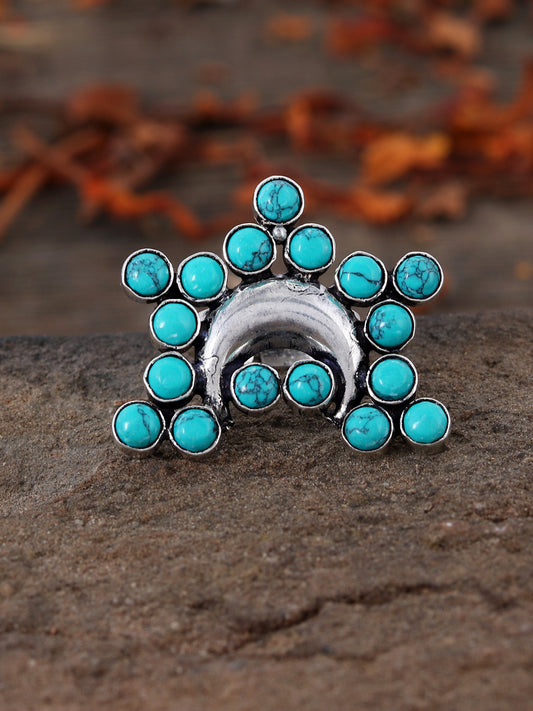
The nath is an important ornament in many regional traditions of Indian feminine adornment.
It is also seen in the iconography and festive decoration of various forms of Devi.
In Mata Rani Shringar, the nath can symbolise beauty, dignity, auspiciousness and the Goddess's maternal presence.
The ornament reflects the tradition of welcoming and honouring Devi as a cherished member of the household.
6. Earrings – Symbols of Sacred Beauty
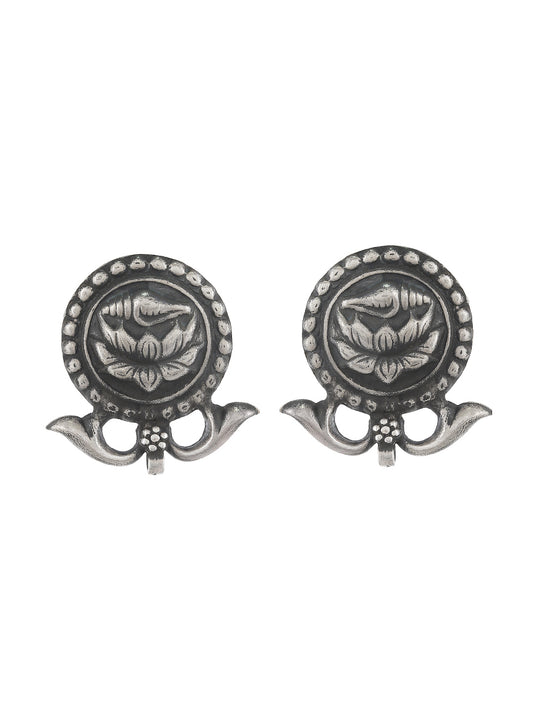
Earrings, including traditional jhumkas and other decorative designs, are frequently used in the adornment of Goddess idols.
In devotional interpretation, earrings may be associated with attentive listening and the importance of receiving sacred wisdom.
This is a symbolic reflection rather than a fixed scriptural meaning.
Their principal ritual purpose is to honour the divine form through Alankara, or sacred adornment.
7. Necklace and Haar – An Offering of Reverence
Necklaces, garlands and other ornaments are widely used in Devi worship.
The Devi Mahatmya describes the Goddess receiving divine ornaments among the gifts presented by the gods.
This imagery highlights the practice of honouring Her supreme presence through precious and beautiful offerings.
In contemporary worship, a necklace or haar offered to Mata Rani represents love, respect and gratitude.
8. Maang Tikka – Adornment of the Divine Forehead
The maang tikka is a traditional head ornament often included in ceremonial feminine Shringar.
When placed upon a Goddess idol, it contributes to the sacred visual presentation of Devi.
In symbolic interpretation, its placement near the forehead may remind devotees of clarity, awareness and the importance of directing the mind toward spiritual understanding.
9. Chunri – The Sacred Cloth of Protection and Surrender
Offering a chunri or sacred cloth to Maa Durga is a deeply cherished devotional practice.
Red chunri is particularly associated with Durga worship in many North Indian traditions, although other colours are also used according to the form of Devi and local custom.
Covering the Goddess with a chunri expresses honour, affection and surrender.
For many devotees, offering a chunri is also an expression of seeking the compassionate protection of Jagat Janani, the Mother of the Universe.
10. Mehendi – Celebration, Joy and Devotional Affection
Mehendi has a longstanding place in Indian celebrations, marriage ceremonies and traditional feminine adornment.
In certain regional practices, mehendi is included in Mata Rani Shringar.
Its inclusion symbolises celebration, beauty and the affectionate relationship between the devotee and the Goddess.
However, mehendi is not a mandatory offering in all forms of Devi worship.
11. Kajal – Traditional Adornment and Protective Symbolism
Kajal is another traditional element of feminine Shringar.
In popular Indian cultural traditions, kajal is sometimes associated with beauty and protection from the evil eye.
When used in Devi Shringar, it serves primarily as a devotional adornment.
Its use should follow the customs of the particular temple, household or form of the Goddess being worshipped.
12. Alta – The Auspicious Red Adornment of the Feet
Alta, a red decorative colour traditionally applied to the hands and feet, has a particularly strong association with ceremonial adornment in parts of eastern India.
In some regional Devi worship traditions, the red adornment of the Goddess's feet reflects auspiciousness, sacred beauty and reverence for Her divine presence.
The feet of the Divine Mother hold special importance in Bhakti traditions because surrender at Devi's feet represents humility and spiritual refuge.
Navadurga: Understanding the Nine Forms of Maa Durga Through Shringar
During Sharad Navratri and Chaitra Navratri, devotees worship nine forms of Maa Durga, collectively known as Navadurga.
The traditional Navadurga names appear in the Devi Kavacha, associated with the Durga Saptashati tradition.
Each form represents a distinctive aspect of the Divine Mother. Shringar can be adapted to the iconography and customary worship of each form.
Day 1 – Maa Shailaputri: Strength, Stability and Sacred Beginnings
Maa Shailaputri, the Daughter of the Mountain, represents steadfastness and the beginning of the spiritual journey.
She is traditionally depicted carrying a trident and lotus, with Nandi as Her vehicle.
Simple floral adornments, clean garments and respectful Alankara can express devotion to Her grounded and serene nature.
Spiritual reflection: May the Divine Mother establish stability, faith and determination within us.
Day 2 – Maa Brahmacharini: Tapasya and Inner Discipline
Maa Brahmacharini represents austerity, dedication and spiritual discipline.
She is depicted holding a rosary and kamandalu.
Her appearance emphasises simplicity rather than elaborate ornamentation.
Devotees may honour Her with modest Shringar, flowers and sincere prayers.
Spiritual reflection: True spiritual beauty arises from patience, self-control and devotion.
Day 3 – Maa Chandraghanta: Courage and Divine Protection
Maa Chandraghanta represents courage and the protective power of Devi.
Her iconography includes a crescent-shaped ornament resembling a bell on Her forehead.
Traditional garments, flowers and jewellery may be offered in accordance with local worship customs.
Spiritual reflection: May the Goddess grant courage to overcome fear and face difficulties with faith.
Day 4 – Maa Kushmanda: The Creative Power of the Universe
Maa Kushmanda is revered as a manifestation of the Goddess's creative energy.
Her association with cosmic creation makes Her a powerful reminder of the life-giving nature of Shakti.
Bright flowers, beautiful garments and sacred ornaments can express gratitude for the abundance of creation.
Spiritual reflection: Every new beginning is an opportunity to recognise the creative energy of the Divine Mother.
Day 5 – Maa Skandamata: Compassion and Motherhood
Maa Skandamata is depicted holding the child Skanda, also known as Kartikeya.
She represents divine motherhood, care and compassion.
Soft floral decorations, sacred garments and traditional jewellery can be used to honour Her maternal form.
Spiritual reflection: May our hearts become more compassionate, patient and loving.
Day 6 – Maa Katyayani: Determination and Righteous Strength
Maa Katyayani is a powerful form of Durga, associated with courage and the destruction of evil.
Her worship reminds devotees that divine strength protects righteousness and restores balance.
Traditional red adornments are often associated with powerful forms of the Goddess, though colour customs vary.
Spiritual reflection: May Devi give us the determination to stand for truth and overcome negativity.
Day 7 – Maa Kalaratri: Fearlessness and Transformation
Maa Kalaratri represents the fierce and transformative power of the Divine Mother.
Her dark appearance and powerful iconography symbolise the destruction of fear, ignorance and destructive forces.
Her worship does not require elaborate conventional beauty. It emphasises reverence for the Goddess beyond outward appearances.
Spiritual reflection: The Divine Mother is present even in darkness, guiding the devotee toward fearlessness.
Day 8 – Maa Mahagauri: Purity and Inner Peace
Maa Mahagauri is traditionally depicted with a luminous, fair appearance and white garments.
She is associated with purity, peace and spiritual clarity.
White flowers and light-coloured adornments are commonly used in devotional representations of this form.
Spiritual reflection: May the Mother purify our intentions and fill our lives with peace.
Day 9 – Maa Siddhidatri: Spiritual Fulfilment and Divine Grace
Maa Siddhidatri is the ninth form of Navadurga and is associated with spiritual accomplishments and divine blessings.
Her worship marks the culmination of the nine-day devotional journey.
Flowers, ornaments, garments and other appropriate offerings can be presented with gratitude and devotion.
Spiritual reflection: The highest blessing is not merely material success, but wisdom, inner fulfilment and closeness to the Divine.
Note: Navratri colours and specific offerings differ across regions, calendars and family traditions. The symbolic suggestions above are not universal scriptural rules.
Why Is Solah Shringar Offered to Mata Rani?
Solah Shringar refers to sixteen traditional forms of feminine adornment.
The exact list of sixteen items varies by region and custom. Commonly recognised elements include sindoor, bindi, kajal, jewellery, bangles, mehendi, hair ornaments, garments and decorative accessories.
In several devotional traditions, devotees offer these adornments to forms of Devi as expressions of auspiciousness, affection and reverence.
Solah Shringar should not be confused with Shodashopachara Puja, the sixteen ritual services offered to a deity. Although both use the number sixteen, they are distinct concepts.
In Shodashopachara worship, the Goddess may be honoured through offerings such as a seat, water, bathing, garments, fragrance, flowers, incense, light and food.
The ritual details vary according to the tradition.
Both practices, however, can express a shared devotional principle: honouring the Divine Mother with one's attention, resources and sincere love.
The Inner Meaning of Devi Shringar: From External Beauty to Spiritual Awakening
The deepest significance of Devi Shringar lies beyond the physical ornaments.
A devotee may understand each offering as a reminder of an inner spiritual quality:
-
Sindoor reminds us of courage and sacred energy.
-
Kumkum represents devotion and auspicious intention.
-
Bindi inspires awareness and concentration.
-
Bangles evoke joy and celebration.
-
Jewellery expresses gratitude and reverence.
-
Chunri represents surrender and the desire for divine protection.
-
Flowers remind us of purity and the temporary nature of worldly beauty.
These are devotional interpretations rather than fixed meanings prescribed for every item by a single scripture.
The essential teaching is that the outer act of adorning Devi should inspire the inner adornment of the heart.
Compassion, truthfulness, humility, courage and self-discipline become the devotee's own sacred ornaments.
Devi Shringar Box by Silvermerc Designs: A Beautiful Offering for Mata Rani
At Silvermerc Designs, we understand that preparing Shringar for Maa Durga is an emotional and spiritual experience for many devotees.
Every ornament placed before Mata Rani becomes part of a personal expression of love and faith.
The Devi Shringar Box by Silvermerc Designs is intended for devotees who wish to honour the Divine Mother through the cherished tradition of Shringar.
It is suitable for consideration during Navratri celebrations, home mandir decoration, Devi Puja, festive worship and devotional gifting, according to the included items and the devotee's customary practice.
Whether you worship Maa Durga, Maa Lakshmi, Maa Lalita Tripurasundari or another form of the Divine Mother, the appropriate Shringar should always be guided by your particular devotional tradition.
The value of the offering lies not in the cost of the ornaments but in the Bhava — the sincerity and loving intention with which they are offered.
Bring the Tradition of Devi Shringar Into Your Home
Celebrate the sacred beauty of Shakti Upasana with the Devi Shringar Box by Silvermerc Designs.
Discover a devotional collection inspired by traditional Mata Rani adornment and the enduring cultural heritage of Devi worship.
Explore the Devi Shringar Box at www.silvermerc.com
Because the most precious offering to the Divine Mother is a heart filled with devotion.
Jai Mata Di. Jai Maa Durga. Jai Adi Shakti.